
Leading Design Operations & Accessibility Transformation at Oneupweb
As Design Director at Oneupweb, I led a transformation of the design organization to improve delivery efficiency, modernize workflows, and embed accessibility-first practices across the agency. During a period of rapid growth, particularly around COVID, I scaled the design team to seven designers, hiring six and mentoring four into senior roles and two into a management positions.
To support this growth, I introduced new design processes, modernized tools, improved client collaboration, and implemented accessibility standards across the agency. These changes improved project efficiency, reduced budget overruns, and matured the design organization to better support agency growth.
Hiring & Mentorship
Design Maturity
Scaling Teams
The Challenge
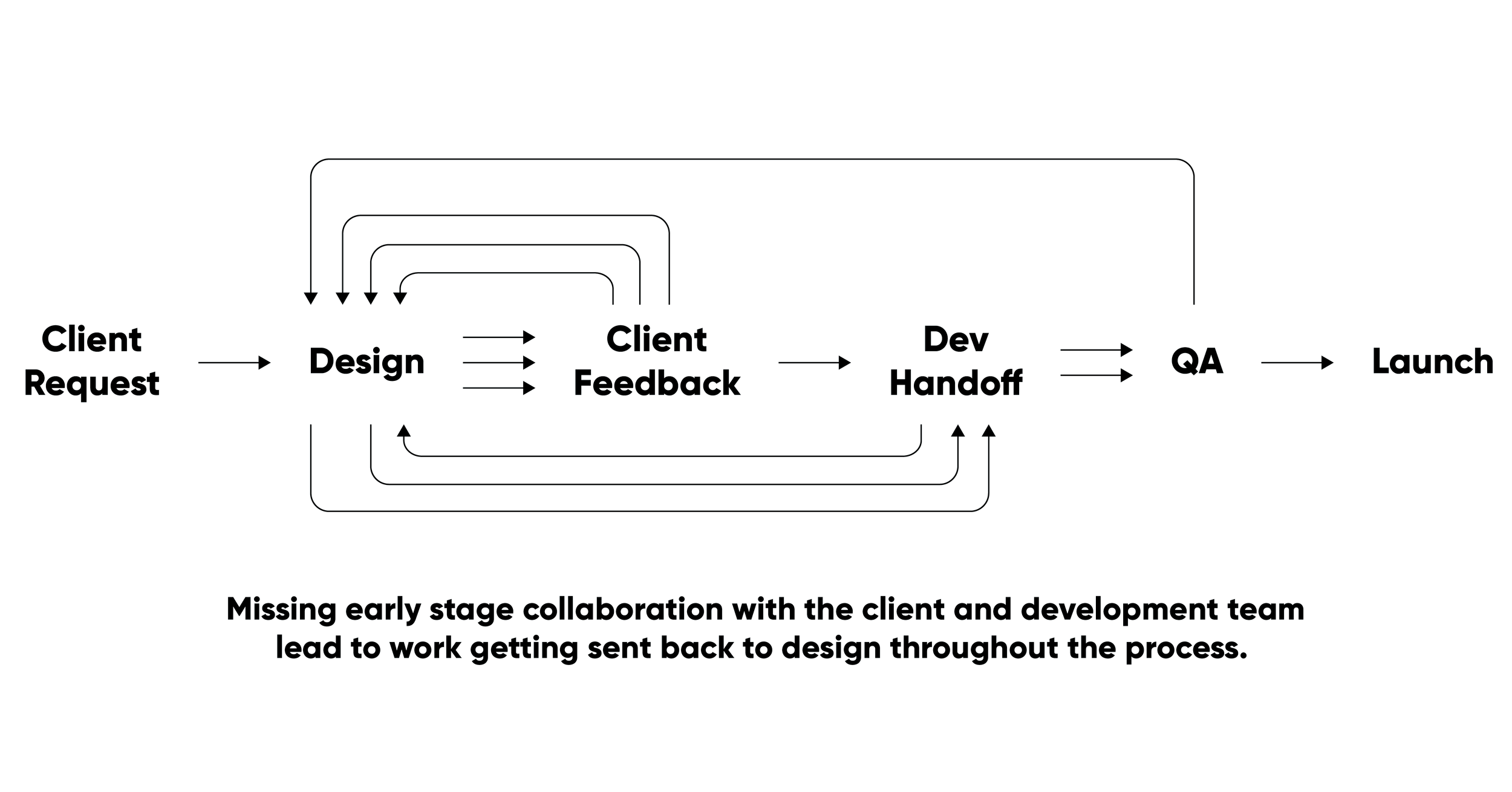
When I stepped into leadership, the design team was producing strong work, but projects were frequently running over budget and taking too long to launch. These delays were often caused by inefficient client feedback loops, unclear expectations, and inconsistent design workflows.
Additionally, designers were using outdated tools for mockups, which slowed collaboration and made iteration more difficult. As the team grew rapidly during COVID, these challenges became more pronounced.
Without standardized processes, designers approached projects differently, leading to:
Inconsistent client experiences
Inefficient feedback cycles
Projects exceeding timelines and budgets
Limited scalability as the team grew
Accessibility not formally integrated into workflows
These challenges created an opportunity to transform design operations and improve delivery across the agency.
Leadership & Team Growth
To support agency growth and improve performance, I focused on building a high-performing design organization:
Managed a team of up to 7 designers
Hired 6 designers during team expansion
Mentored 4 designers into senior roles
Developed 2 designer into a management position
Transitioned design and collaboration to support hybrid & remote work
My leadership approach focused on creating clarity, consistency, and scalable workflows that allowed designers to operate more effectively.
Design Operations Transformation
To address delivery challenges and inconsistencies, I introduced several key operational improvements:
Client Workshops
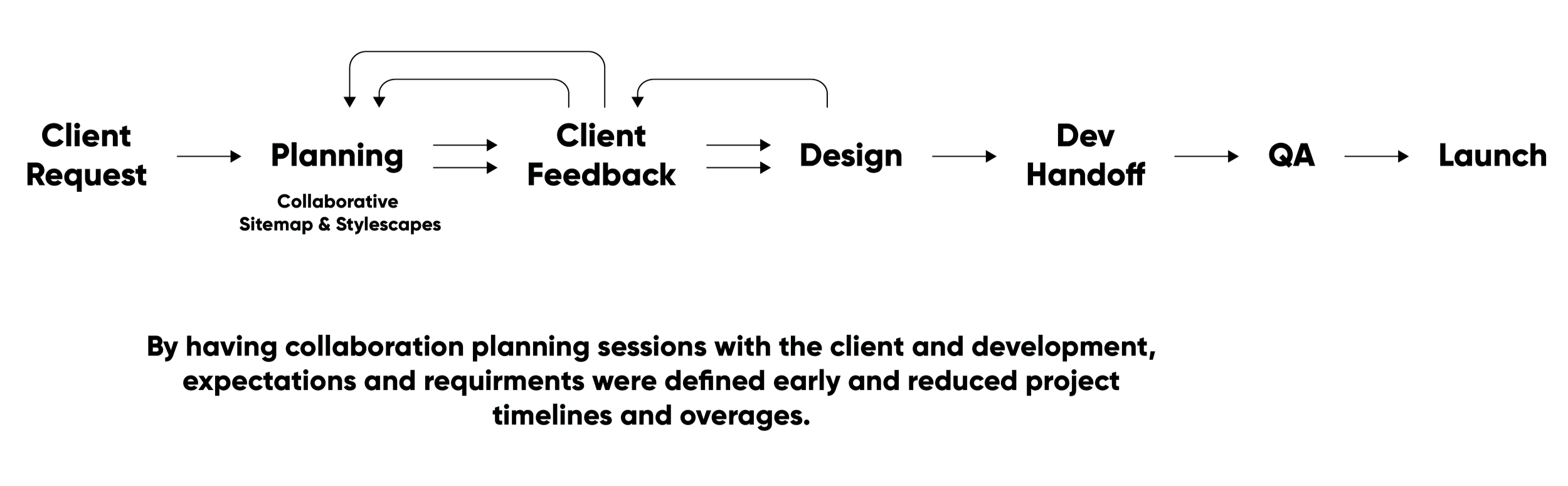
I introduced collaborative client workshops to align stakeholders early and reduce late-stage revisions.
I developed workshop frameworks for a variety of projects:
Brand development & positioning
Marketing campaigns
User experience
These workshops helped define goals, expectations, and success criteria before design work began, which reduced ambiguity before execution.
Stylescapes
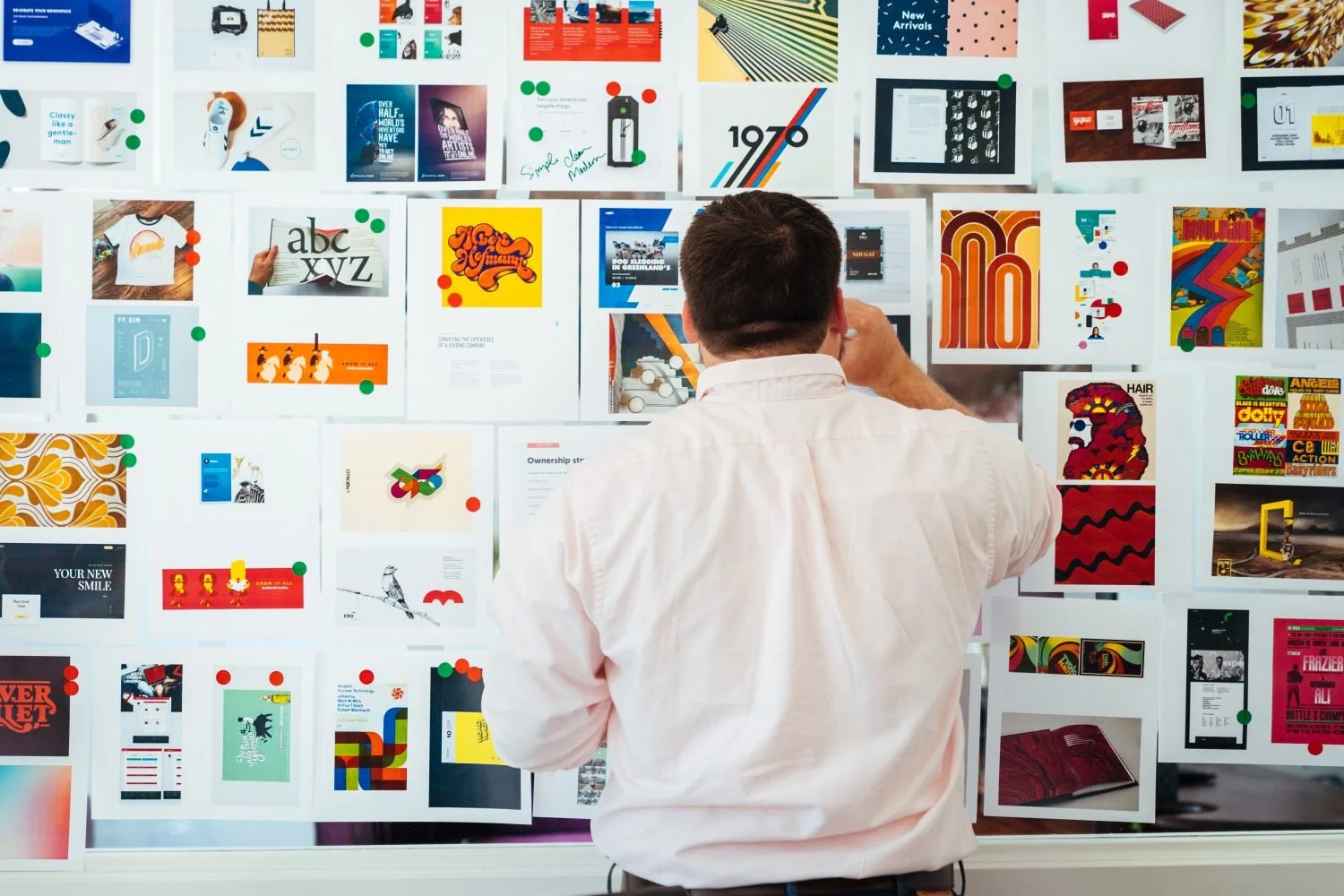
I introduced stylescapes to present creative direction earlier in the process. This allowed clients to provide feedback during the ideation phase rather than after full design development.
This change significantly improved:
Alignment
Speed of iteration
Client satisfaction
Project efficiency
Enhanced Sitemap Documentation
I expanded what is documented in sitemaps to include:
Page structure
Required functionality
Development considerations
Content outlines
This improved collaboration between design, development, and content teams while reducing downstream revisions.
Enhanced Sitemap Documentation
I expanded what is documented in sitemaps to include:
Page structure
Required functionality
Development considerations
Content outlines
This improved collaboration between design, development, and content teams while reducing downstream revisions.
Accessibility Leadership
I introduced accessibility as a core standard across the agency:
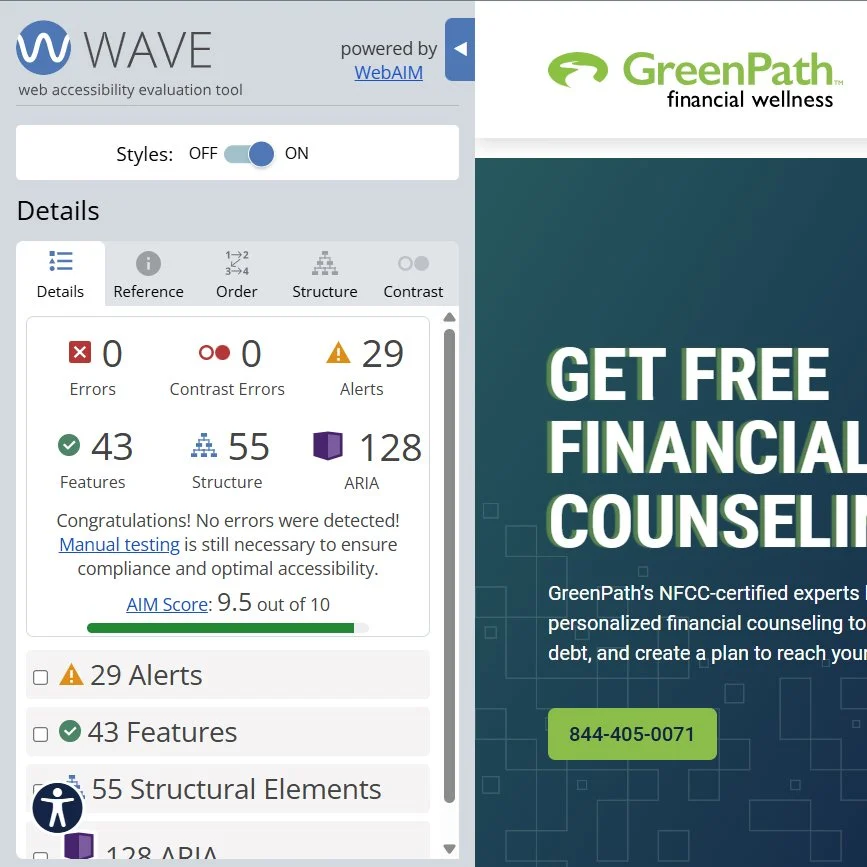
Established WCAG AA as the minimum standard for all websites
Introduced accessibility audits and reporting
Created accessibility processes from kickoff through implementation
Trained teams on accessibility best practices
Embedded accessibility into design & development workflows
Accessibility evolved from an optional consideration to a standard agency-wide practice.
This initiative improved:
Inclusivity
Compliance readiness
Design quality
Client value
Impact
Scale the team effectively during rapid growth
Reduce project overruns
Improve collaboration across departments
Improve delivery timelines
Establish accessibility as a core agency standard
Increase consistency across designers
Mature the design organization

What I'm Most Proud Of
I’m most proud of building processes that allowed the team to scale while maintaining quality. By modernizing tools, improving collaboration, and introducing scalable workflows, I helped position the team for long-term growth and to be forward-thinking when it comes to inclusive design.